
Activating the energy center, the dantian, is part of the practice of the Yi Jin Jing. The Yi Jin Jing also refers to the daoyin of E-Mei Mountain.
Exercises to change muscles
The translation for daoyin Yi Jin Jing is "exercises for changing muscles." They have an effect on opening joints, lengthening ligaments and muscles, and relaxing them. The different daoyin Yi Jin Jing are inspired by the folk tradition of field work. They also refer to the traditions of disciplines connecting body and mind, such as Buddhism, or particularly the daoyin E-Mei. Doctor Shen Hongxun established the foundations of the teaching of the 9 Yi Jin in the BuQi System. He corrected errors due to the erroneous transmission of translations, which overlapped. It is this teaching that Master Shen Jin transmits.
The connection with fingers and hands through the Yi Jin Jing:
As with E-Mei Daoyin , the goal is to generate an internal flow of energy throughout the exercise. Finger positions and hand openings are important elements in Yi Jin practice. The term daoyin means guiding negative factors out of the body, a fundamental principle of the BuQi System practices . It aims to prevent or treat health problems caused by poor posture, emotional blockages, or stress.
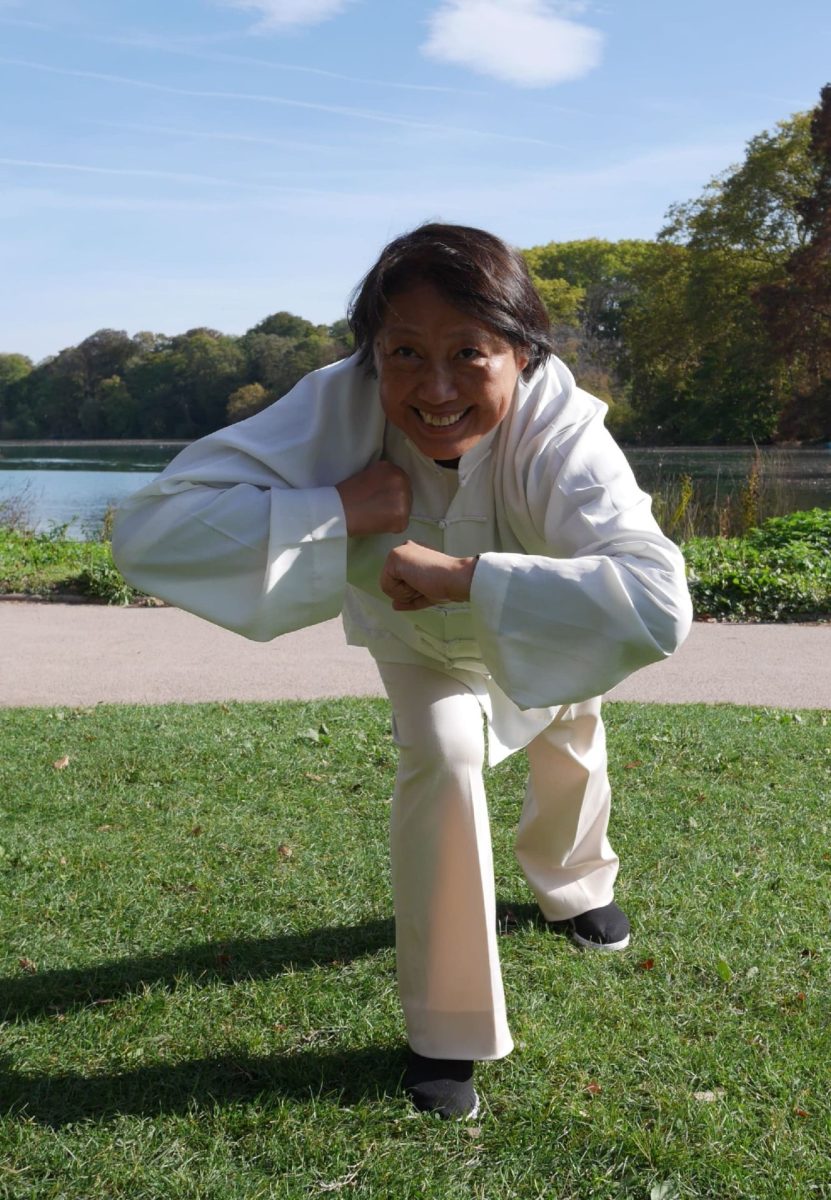
The different Yi Jin have evocative names: "Pull the ox by the tail", for example, leads to feeling the powerful force of the earth. It directs the movement forward, the belly (lower dantian area, also at the center of the movement) is relaxed. This movement generates the opening of the area located between the shoulder blades. The daoyin "pick the star" allows for example to correct imbalances at the level of the shoulders. Each exercise has functions, acts on specific areas of the body. The duration of each is variable, which also allows to adapt their choice. There is a link with the opening of the intervertebral spaces corresponding to organs. Each daoyin therefore has a beneficial action on their functioning.
Here are their names: Offering incense, Wagging the tail, Squatting, Picking a star, The drunkard who draws his sword, Pulling the ox by the tail, The tiger who hunts, The eagle who shows its talons, The dragon who shows its claws.
They are appreciated for their instantaneous energy activation. Some of them have a playful aspect. This is an asset in a world where seriousness makes us forget that we are still a little childlike.